- 3
- 5
- 3
- 5
Kenya is a top safari destination in East Africa, famous for its stunning landscapes, abundant wildlife, and vibrant culture. Whether you’re seeking a safari adventure, cultural experiences, or coastal relaxation, Kenya has something for every traveler. Here’s your complete guide to traveling to Kenya.
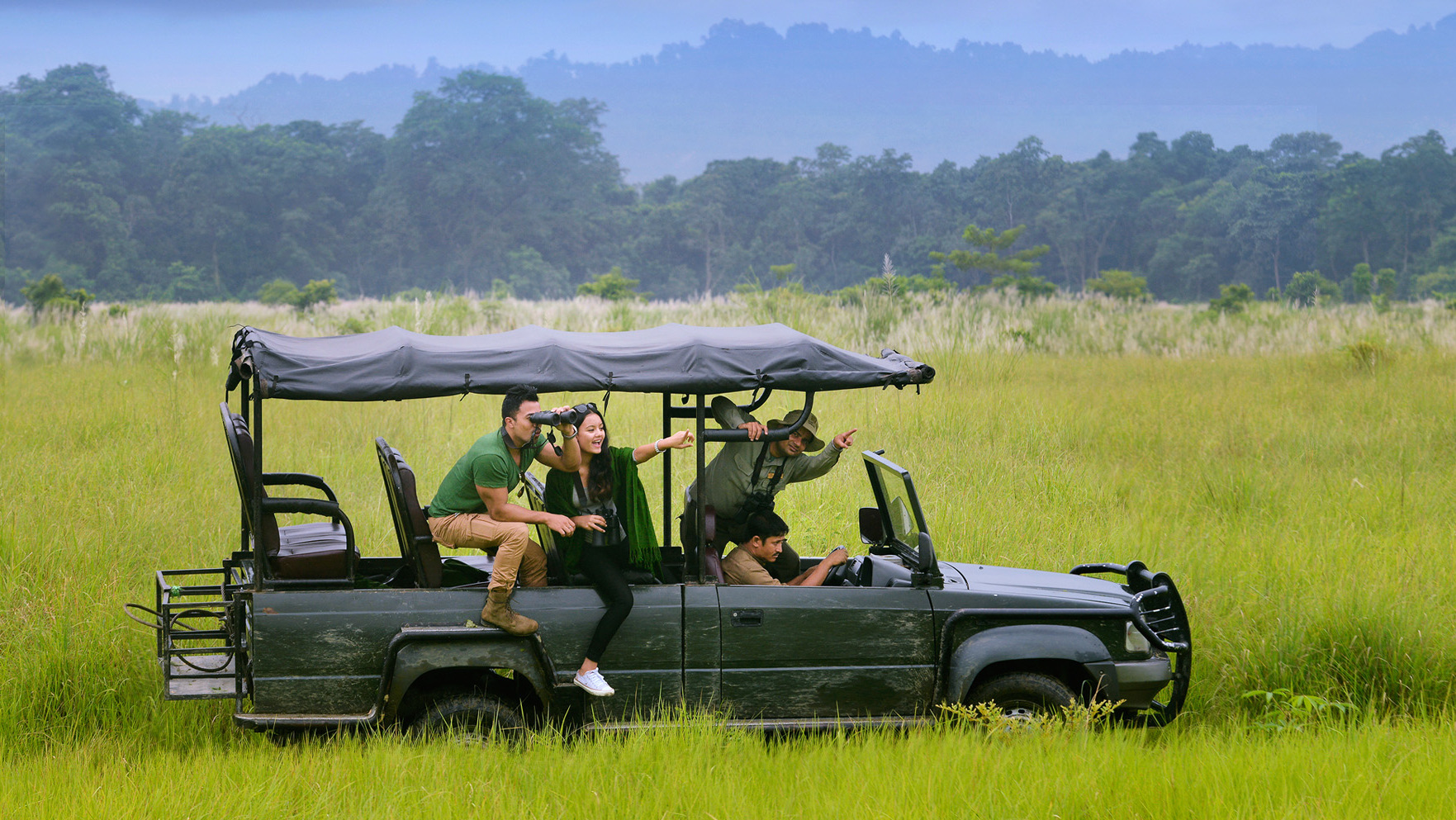
Renowned for the Great Migration (July to October), Maasai Mara offers incredible wildlife viewing, including the Big Five – lions, elephants, leopards, buffalo, and rhinos. Daily game drives and cultural visits to Maasai villages make it a must-visit for safari lovers.
Famous for its large elephant herds and stunning views of Mount Kilimanjaro, Amboseli is ideal for wildlife photography and game drives.
Kenya’s capital city offers urban experiences with a wildlife twist. Must-visit sites include the David Sheldrick Wildlife Trust (elephant orphanage) and the Giraffe Centre. Nairobi is perfect for city tours and cultural experiences.
Home to millions of flamingos and a rich variety of birdlife, Lake Nakuru also features rhinos and other wildlife. It’s a birdwatcher’s paradise.
Explore Kenya’s freshwater lakes on boat safaris to see hippos, water birds, and other wildlife. Lake Naivasha is also popular for walking safaris in nearby Crescent Island.
Known for its diverse landscapes, Tsavo West includes attractions like the Shetani Lava Flow and abundant wildlife. Perfect for adventurous travelers.
For unique safari experiences, Laikipia offers starbeds, camel trekking, and rare wildlife sightings like black leopards.
Kenya’s coastal gem, Mombasa offers pristine beaches, historical sites like Fort Jesus, and delicious Swahili cuisine. Ideal for combining relaxation with culture.
The dry seasons (June to October and January to February) are ideal for wildlife viewing and safer road conditions.
Most travelers need a Kenya visa. Check the official Kenyan government website for up-to-date information before traveling.
Pack light, neutral-colored clothing, a hat, sunscreen, binoculars, and comfortable walking shoes.
The local currency is the Kenyan Shilling (KES). Credit cards are widely accepted, but cash is useful in remote areas.
Tipping is customary, especially for guides, drivers, and porters.
Use local tour operators for airport transfers and park transportation. Roads in rural areas may be rough, so 4×4 vehicles are recommended.
Kenya offers a variety of options from luxury lodges and tented camps to budget hotels.
Be aware of your surroundings, especially in urban areas. Take precautions against malaria and follow local advice.
Learn basic Swahili greetings and respect local customs and traditions.
Support local communities and choose eco-friendly tour operators to ensure responsible travel.
Kenya combines adventure, wildlife, culture, and relaxation in one unforgettable experience. From the Great Migration in Maasai Mara to the beaches of Mombasa, careful planning ensures you get the most out of your journey.