- 3
- 5
- 3
- 5

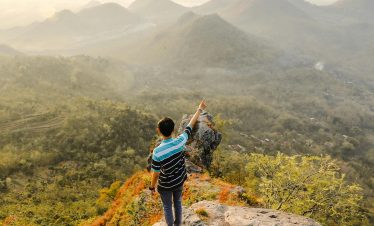
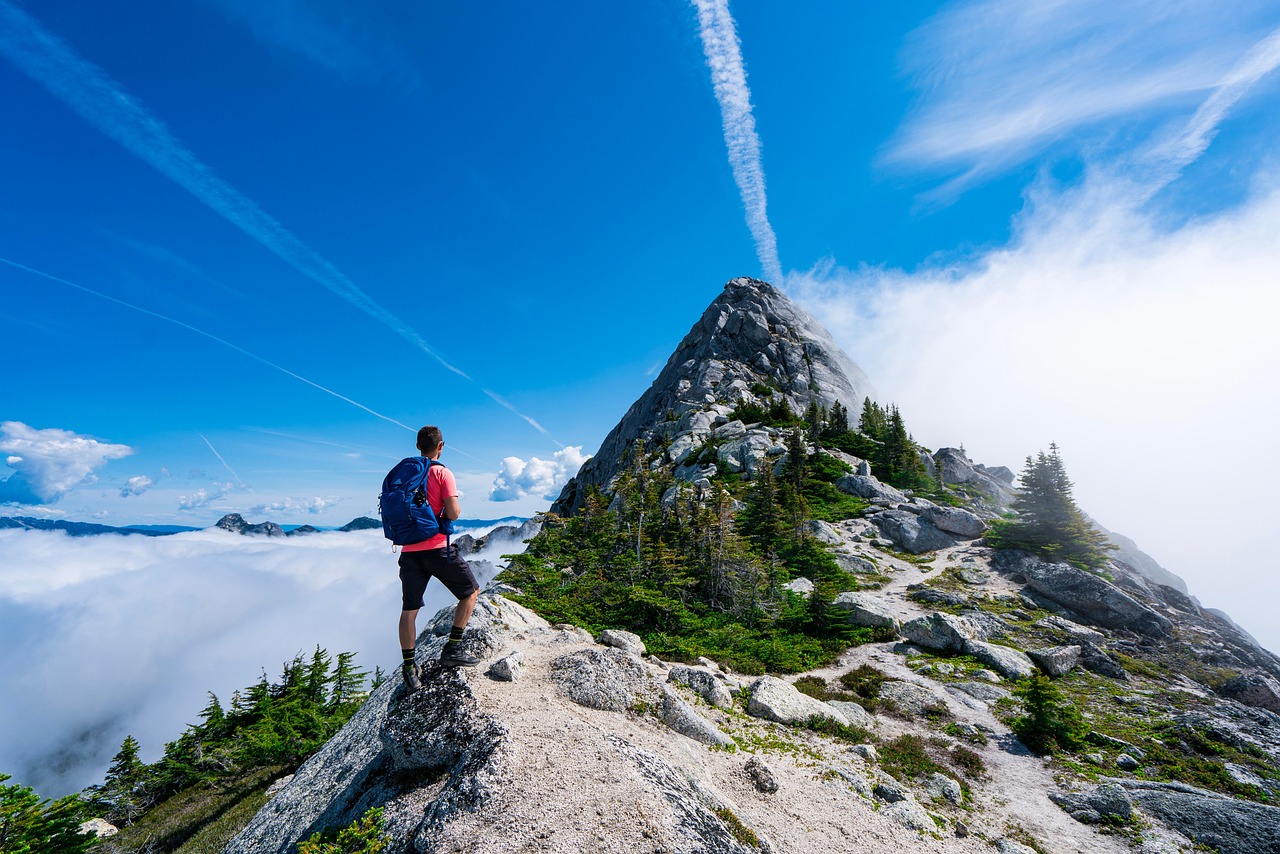
East Africa hiking offers some of the most diverse trekking experiences in the world. From high-altitude mountain climbs to rainforest wildlife encounters, East Africa hiking combines dramatic scenery with unforgettable adventures. Whether you are summiting volcanic peaks or tracking primates through dense forests, East Africa hiking provides options for every skill level.
From multi-day expeditions to shorter scenic walks, this region is a dream destination for outdoor enthusiasts. With proper preparation, the right timing, and expert local guidance, your East Africa hiking experience can be both safe and extraordinary.
To begin with, Africa’s second-highest peak offers multiple trekking routes with varying difficulty levels and scenery. For example, the Marangu Route (Coca-Cola Route) provides a more gradual ascent with hut accommodation. In contrast, the Machame Route (Whiskey Route) is steeper, more scenic, and physically demanding. As a result, hikers can choose an experience that best matches their fitness level and goals.
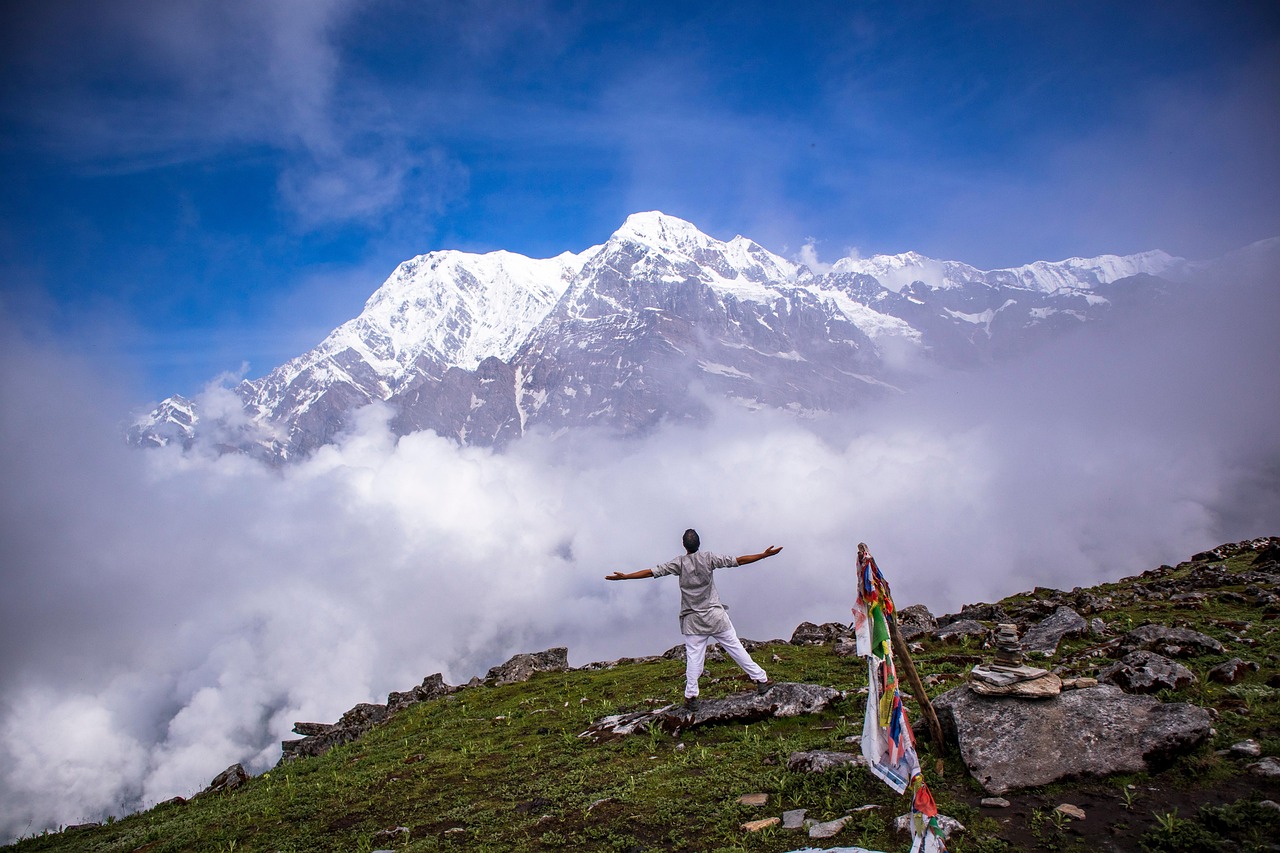
Similarly, the Rwenzori Mountains — often called the Mountains of the Moon — provide a more remote and challenging alternative. Notably, they are home to Mount Stanley, the third-highest peak in Africa. Because of the rugged terrain and frequent rain, these treks require strong preparation. Nevertheless, hikers are rewarded with unique afro-alpine vegetation and breathtaking glacier views.
Although located in Tanzania, Mount Kilimanjaro is often included in East African trekking itineraries. In fact, it is the highest peak in Africa and one of the most iconic climbs in the world. Routes such as Machame, Marangu, and Lemosho vary in duration and scenery. Therefore, proper acclimatization and route selection are essential for success.
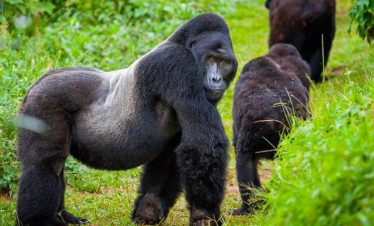
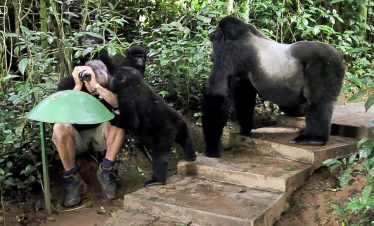
If mountain climbing is not your priority, wildlife trekking offers an equally thrilling alternative. Specifically, gorilla trekking is available in:
Bwindi Impenetrable National Park
Volcanoes National Park
Virunga National Park
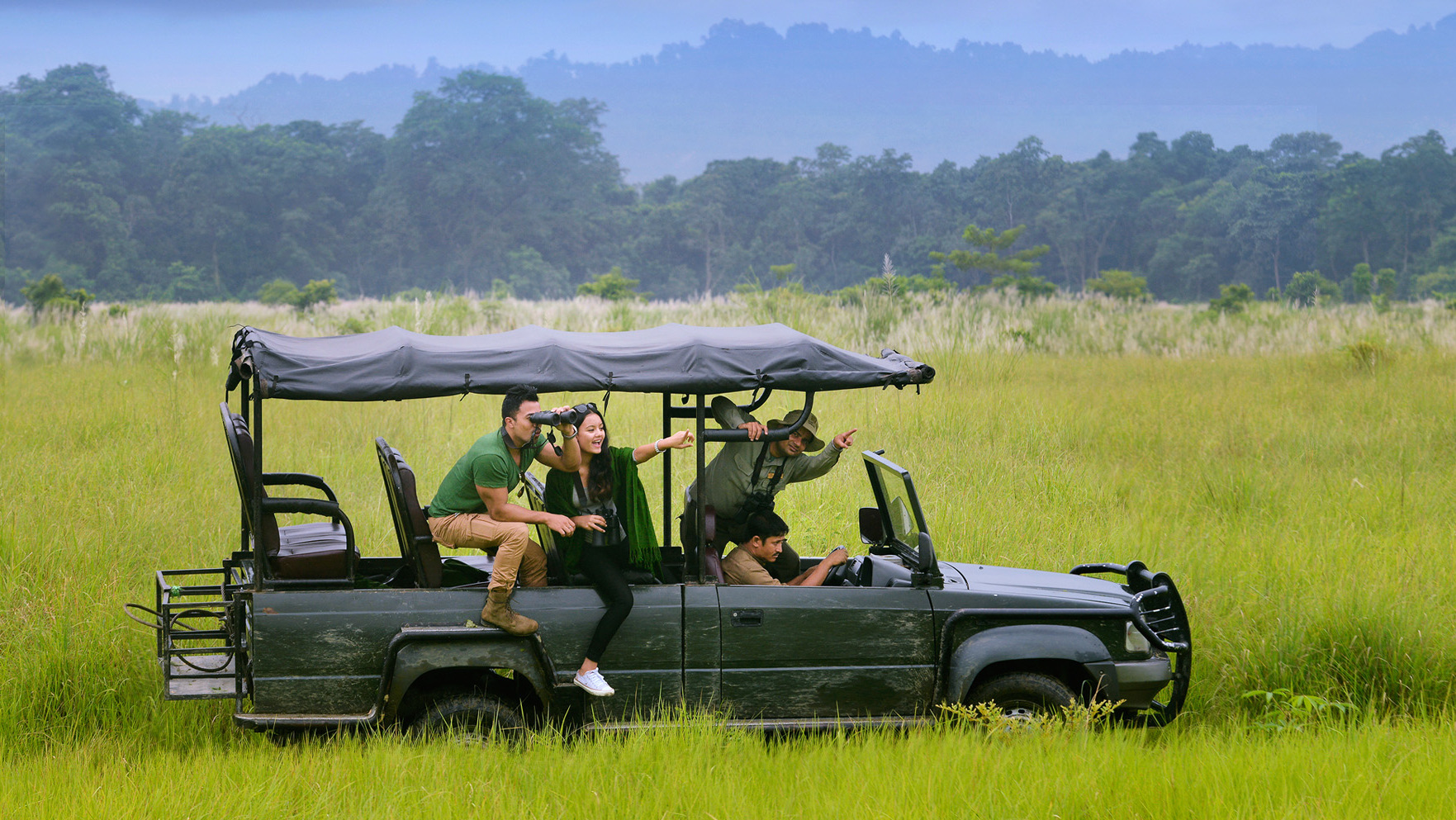
Because gorillas live in dense rainforest terrain, treks can be physically demanding. However, the opportunity to observe these endangered primates up close makes the effort worthwhile.
In addition, Kibale National Park is renowned for chimpanzee tracking. Since chimpanzees are highly active, sightings often involve dynamic forest walks. Consequently, this experience feels immersive and adventurous.
Beyond primates, hikers can explore:
Lake Nakuru National Park, famous for birdlife.
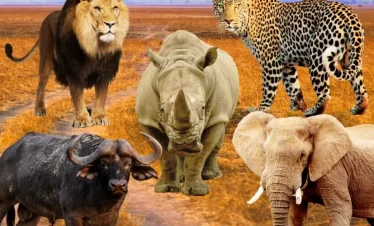
Amboseli National Park, known for elephants set against Kilimanjaro’s backdrop.
Thus, wildlife enthusiasts can combine hiking with classic safari experiences.
For those seeking shorter or less technical hikes, several scenic alternatives are available.
Unlike most national parks in Kenya, Hell’s Gate allows walking and biking among dramatic cliffs and geothermal formations. As a result, visitors enjoy a more active and independent experience.
Meanwhile, Mount Longonot offers a rewarding day hike from Nairobi. Although the ascent is steep, the panoramic crater views make the climb worthwhile.
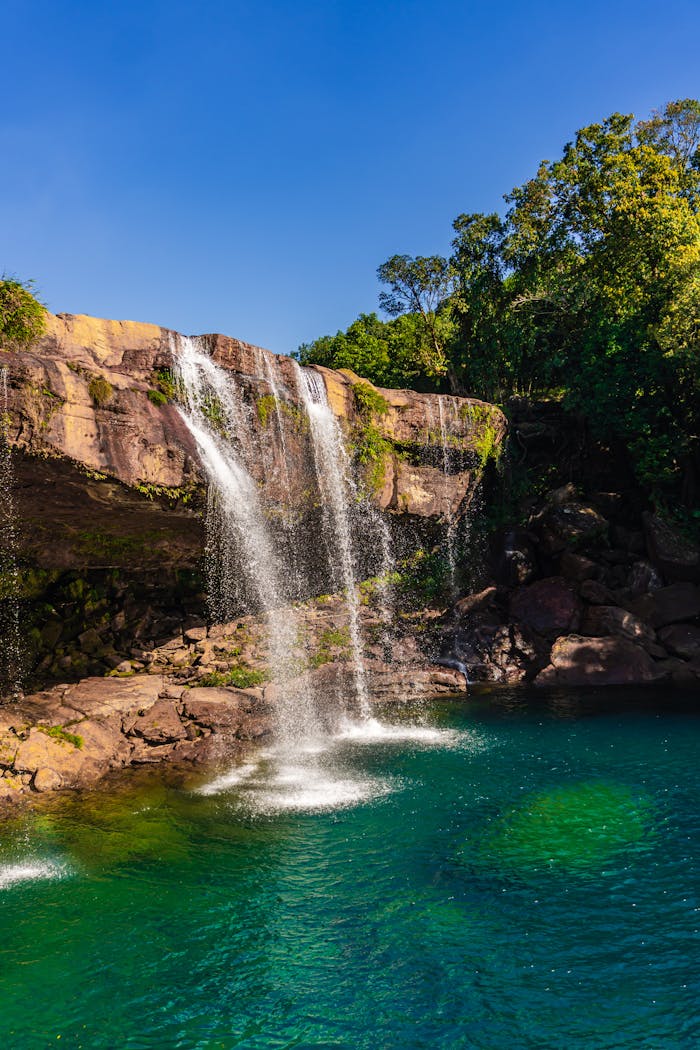
Similarly, Sipi Falls features scenic waterfall trails. In addition to hiking, visitors can participate in local coffee tours. Therefore, it is ideal for travelers seeking both nature and cultural interaction.
Finally, the Usambara Mountains provide a quieter trekking destination. Because the area is less visited, hikers often enjoy peaceful trails and authentic village encounters.
Proper preparation is crucial for a safe and enjoyable trek.
First, pack moisture-wicking base layers, insulating mid-layers, and a waterproof shell. Since temperatures fluctuate significantly, especially at altitude, layering is essential.
Equally important, sturdy hiking boots with ankle support help prevent injuries. Additionally, quality hiking socks reduce the risk of blisters.
Given the equatorial sun, SPF 50+ sunscreen, sunglasses, and a wide-brimmed hat are necessary. Furthermore, DEET-based insect repellent and permethrin-treated clothing protect against mosquitoes.
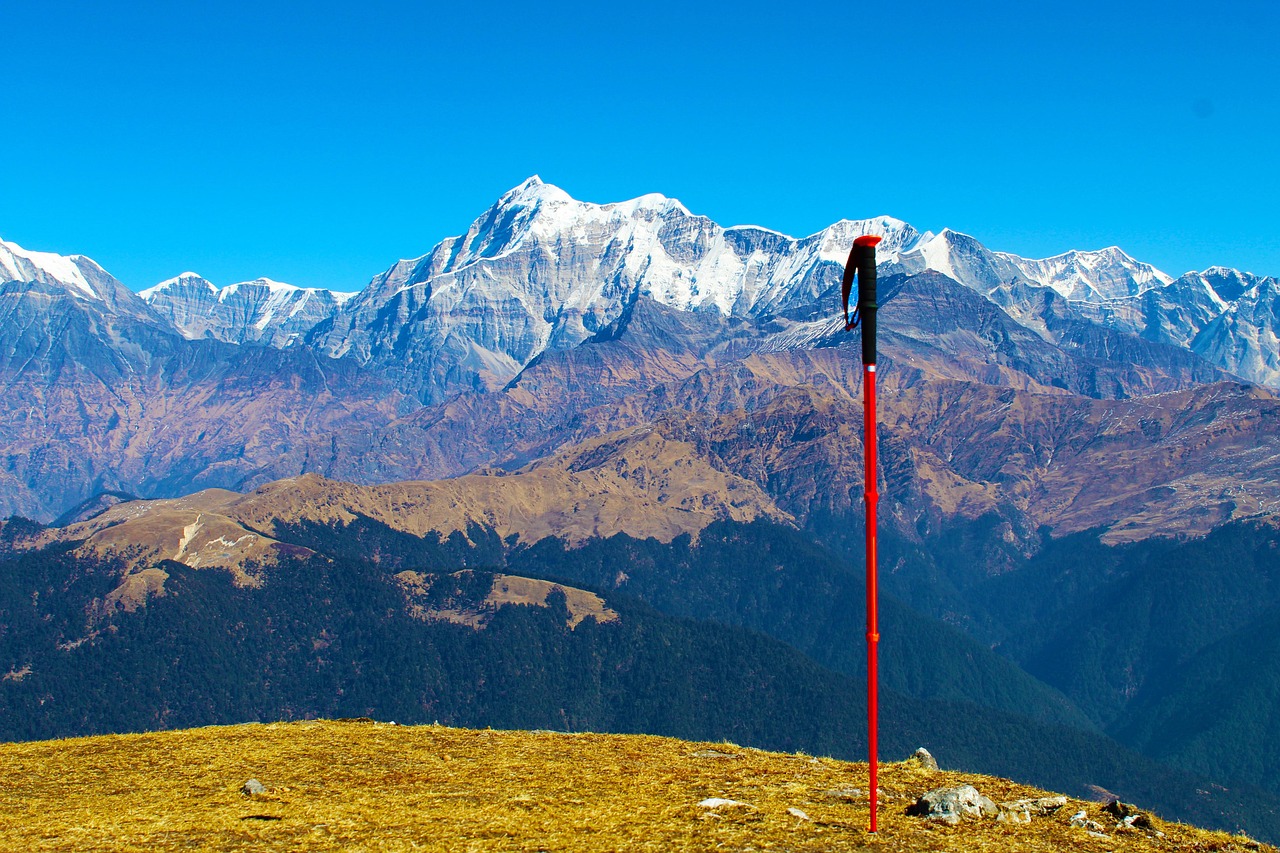
Trekking poles reduce strain on knees. Likewise, a headlamp, first-aid kit, and reusable water bottle are indispensable.
When climbing high peaks, altitude sickness is a serious consideration. Therefore, ascend gradually and schedule acclimatization days. If necessary, consult a medical professional before departure.
Timing can significantly affect your experience.
Generally, this period offers clearer skies and better trail conditions. Consequently, it is considered the best time for hiking and wildlife viewing.
On the other hand, the wet season brings muddy trails and heavier rainfall. However, fewer crowds and lower prices may appeal to budget-conscious travelers.
Choosing whether to hire a guide depends on your experience and destination.
For beginners, guides provide navigation skills, safety oversight, and local knowledge. Even experienced hikers benefit from insights into wildlife behavior and regional history. Moreover, certain climbs — such as Kilimanjaro — legally require certified guides.
Before setting out, inform someone of your route and expected return time. During your hike, stay on marked trails and remain aware of your surroundings. Additionally, maintain a safe distance from wildlife at all times. Finally, always carry a basic first-aid kit and follow park regulations.